Walk into any shop that closes after dark, and you’ll see the rituals. Cash counted, lights off, alarm set, last look at the front door. If you manage a storefront, a warehouse, or a service bay, you know that the door is both lifeline and liability. That’s why scissor security gates exist. They give you visibility when you want eyes on the space, airflow when the AC is sweating, and real resistance when a “smash and grab” walks up with a crowbar. They fold out of the way when the day starts, then slide back into a narrow stack when you need them, no forklift ballet required.
This is the one type of physical security that actually plays nicely with small footprints. It doesn’t ask for an extra storage closet. It doesn’t block your window display. It doesn’t require a staff seminar to operate. It gives you a barrier you can trust without demanding square footage you don’t have.
What scissor gates really are, and why the design works
People call them expanding security gates, accordion security gates, collapsible gates, even jailhouse gates when they want to tease. All those labels describe the same idea. Steel latticework glides along a track, unfolding to secure an opening, then compressing to a tight stack beside it. The scissor-like bracing spreads load across multiple pivot points, so you get stiffness without heavy, solid panels. That geometry matters. A vandal can bash a single bar out of a simple grille. A true scissor gate distributes the hit, flexes a hair, then returns to shape.
The best commercial security gates use cold-rolled steel channels with solid riveted knuckles. You want vertical members that feel like rulers, not wire coat hangers. The pivots should rotate smoothly with minimal side play. If the lattice rattles like a shopping cart, keep shopping. Powder coating helps with corrosion, but the steel choice under that finish is the real story. Look for galvanized or zinc-coated steel on coastal sites, paint over steel for interiors, and stainless only when chemicals or salt spray are daily https://andredtli595.theglensecret.com/expanding-security-gates-for-temporary-event-security facts.
Scissor security gates can lock to a wall stop, to a center post, or to a second gate that meets in the middle. That flexibility lets you cover single doors, double doors, roll-up doors, hallways, service counters, and long storefronts that bend around a corner. Since the gate retracts to a stack, you don’t give up headroom like you do with a roll shutter or coiling grille, and you don’t block a doorway with a big swing radius like you do with a solid door.
The everyday advantages nobody advertises on a glossy brochure
People buy security gates for one reason and then discover three more they hadn’t counted on. I’ve watched this pattern across retail, property management, even light industrial.
First, visibility and airflow. A closed storefront with a solid shutter feels dead. A scissor gate leaves your merchandise visible and lets the building breathe. On summer nights, that airflow prevents the sticky morning that staff quietly resent. In a back-of-house corridor, the gate lets custodial staff keep an eye on stock while moving freely.
Second, speed. Staff will actually use something that takes seconds to deploy. If you need a key, a code, and a prayer to close up, operators cut corners. A gate that slides, locks, and clicks becomes habit.
Third, damage control. Smash attacks target glass and thin aluminum frames, not sea-worthy metal. A scissor gate stands off the storefront with a little air gap. That gap blunts the first blows. Many attempts end right there, which saves you the worst cost of all, lost operating days while waiting on tempered glass lead times.
Finally, serviceability. When a scissor gate needs attention, you replace a wheel pack, a rivet, or a lock cylinder. Compare that to disassembling a roll shutter barrel or tracking down a rare torsion spring. Field repairs in under an hour mean your opening is back in business by lunch.
Where expanding security gates fit best
Security gates for business use fall into predictable patterns, each with its own wrinkles.
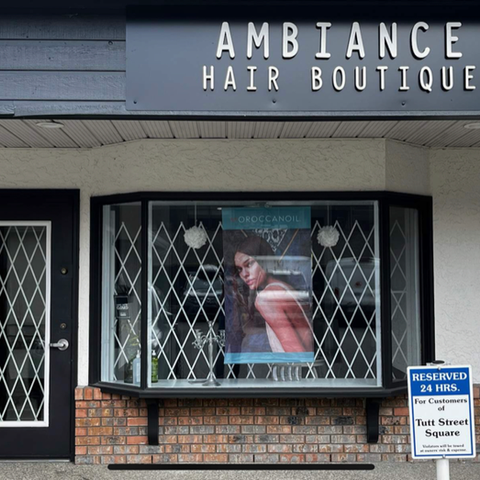
Storefronts and malls want clear sightlines. They often choose bi-parting gates that stack to each jamb so you don’t park the entire stack in front of a display. For a narrow entry, a single-leaf gate that stacks to one side is the neatest solution. For long runs, you can divide into segments and tuck the stacks into shallow pockets between columns.
Warehouses and loading docks are more practical. They want to leave the big overhead door open for airflow and forklifts while blocking casual walk-ins. Here, tall accordion security gates that roll on a floor track at the base handle the job. Height matters. Once you pass about 12 feet, bracing and caster choice separate the toys from the tools. If you order tall, ask for mid-height tie bars so the structure can’t sway like a metronome.
Office buildings use them after hours to divide public lobbies from elevator cores or to secure amenity spaces. A gate can swing out of its recess during closing and vanish in a recess during the day. When architects plan for this from day one, the pocket looks like part of the wall, not a bolted-on afterthought.
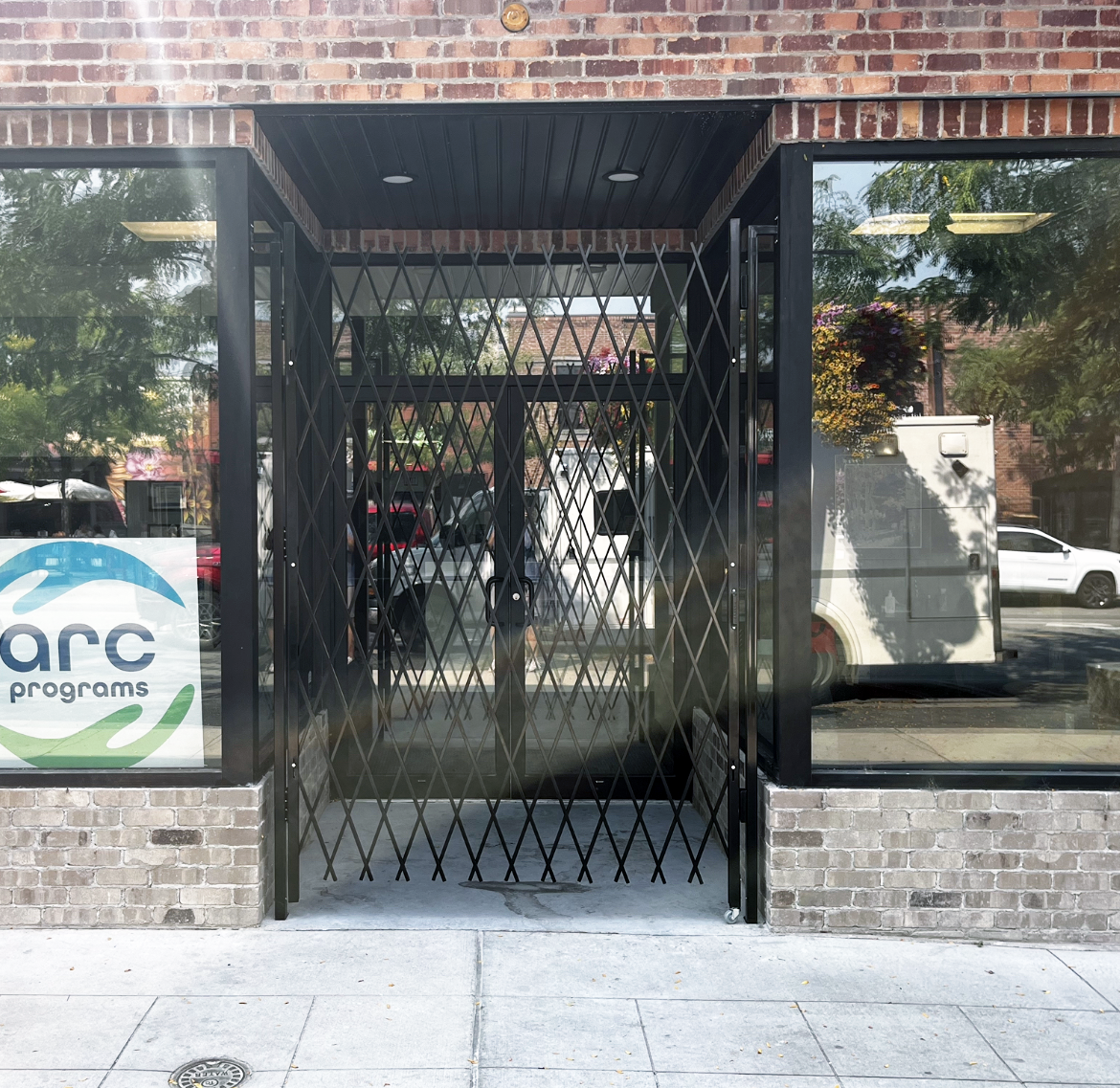
Schools and community centers use scissor gates to lock off wings, labs, or gyms without killing egress. That’s a code conversation, because any barrier across a designated egress route needs panic release hardware or a supervised use plan. Get your local authority to bless the layout before you drill the first hole.
Retail back rooms have a special requirement. Staff want to pull the gate and leave the service door open when unloading. That means a gate that can take light impact from carts and still track true. Caster diameter and wheel material matter. Hard nylon finds every expansion joint and loses arguments with pebbles. Poly or rubber rides smoother and keeps the gate from running away on sloped floors.
If you operate near Okanagan Lake or across the Thompson region, expanding security gates Kelowna suppliers often spec galvanized steel with a polyester topcoat. Freeze-thaw cycles, winter road salt, and lake humidity are unkind. Locals know which finishes last five winters instead of two.
Strength, not bluster: what makes a gate resist a real attack
Security is often theater until someone tests it. What stops a determined person with tools is boring engineering.
Material thickness is the headliner. Most credible commercial security gates use 14 to 16 gauge steel for the main members. Thinner saves money in the short term and gifts you twists and bends after the first incident. A gate’s resistance comes from the geometry of its cross-sections and the quality of its rivets at the knuckles. Solid rivets outlast pop rivets. If a demo unit flexes too easily by hand, imagine it under a crowbar.
Track and anchorage are the unsung heroes. A stout gate mounted to drywall will rip free. You want steel or lag bolts into masonry, structural wood, or steel studs with proper backing. The top track should be anchored every 12 to 18 inches on standard doors, closer on long runs. The floor stop at the locking end should be anchored with sleeve anchors set into concrete, not a couple of screws into tile.
Locks do more than secure the latch. They set the expectations for tamper resistance. A steel slam-lock with a concealed pin beats a cheap padlock hung where bolt cutters can find it. If you must use a padlock, choose a shrouded shackle model and mount it low, close to the stop. Low is awkward for cutters. Consider keyed-alike cylinders if you manage multiple openings. Staff will use the right lock if it lives on the same key ring as everything else.
Spacing across the lattice matters for another reason. Small diamond spacing makes it harder to thread tools through to pull interior handles. If your gate protects a glass door, install a thumb-turn guard on the door’s interior so an arm through the lattice cannot reach the latch.
Finally, the most overlooked part, the floor. A clean, even threshold keeps the gate aligned under stress. If the caster hits a hump right before the lock post, you’ll see operators slam the last few inches. Over time, that shock loosens anchors and misaligns the latch. A small aluminum threshold ramp or a diamond-ground strip on the slab pays for itself in fewer service calls.
Sliding past the myths: what scissor gates do not do
Every product comes with legends. Scissor gates have a few.
They do not create a sealed barrier against smoke or fire. If you need a rated assembly, order a rated door and frame. Gates can supplement, not replace, life safety assemblies.
They are not soundproof. They reduce casual conversations from drifting, but airy lattice cannot block decibels like a wall. If quiet matters, combine a gate with glass or polycarbonate behind it.
They are not a substitute for a monitored alarm. A gate delays and deters, which is exactly what you want while your alarm company makes the calls. They buy time, not omnipotence.
They are not maintenance free. They need lubrication, a look at the fasteners, and an occasional caster swap. Neglect shows up as sag, squeak, and lock misalignment.
Recognize these limits and you’ll deploy gates where they shine instead of expecting them to do the work of a vault door.
Operation in the real world: the difference between a plan and a practice
The best hardware fails if the process around it crumbles. I have seen pristine gates left unlocked because the person with the only key went home early. I have also seen night managers clip a bungee to a gate because the lock was sticky. Both are predictable. Build your process around how people actually behave.
If you have multiple shifts, choose a lock that accepts a core compatible with your building system. If you run seasonal staff, arrange keys in color-coded rings and label the gate. You can laugh, but a simple laminated tag that says “front gate lock - blue key” cuts five minutes of nightly guesswork. Those minutes add up.
Train with why, not just how. Employees respect a routine more when they understand what the gate defends. This is not about scolding. It is about showing them the glass invoice from the last break-in and the ten days of plywood that followed.
Keep the path to the stack clear. Merchandisers love to crowd the jamb where a gate tucks away. When the stack is blocked, operators lean and twist the lattice to wedge past a display rack. That twist is how you shorten the life of a perfectly good gate to one season. Treat the stack zone as sacred ground.
Service on a rhythm, not a crisis. A ten-minute quarterly check beats a after-hours emergency call that costs three times as much. Your security gate supplier will give you a simple plan if you ask. A small bottle of dry lube, an Allen key set, and a carpenter’s level can keep you out of trouble.
Compliance without headaches: what to ask before you buy
You cannot fight city hall, but you can befriend them. Every jurisdiction will have opinions about what lives across an exit path. Sometimes that opinion is a code paragraph, other times it is the fire marshal’s interpretation.
Start with occupancy. In public spaces, the gate cannot block egress at hours when people are inside. That usually means the gate only closes after the space is vacated, or it needs a quick release function on the egress side. Panic-release scissor gates exist, but they cost more and require careful layout so release bars are not reachable from the exterior.
Next, ask about projections into corridors. Building codes limit how far a retracted gate can stick into a hall, especially along accessible routes. Deep stacks should live inside pockets for that reason. Pocket dimensions are not guesswork. Measure the stack width when the gate is fully compressed, add a finger width so users are not pinching hands, and add trim to protect the edges.
If you are in a seismic region, ask about bracing. A tall run anchored only at the top track can oscillate during a quake and shear mounting screws. A discreet mid-span bracket tied into structure is cheap insurance.
Finally, confirm hardware finish and lubricant requirements around food service or medical spaces. Some facilities forbid certain oils or zinc coatings. You can often spec stainless pivots or food-safe lubes to satisfy these restrictions without changing the whole product.
Choosing the right partner, not just the right product
A scissor gate is a simple machine, yet success rests on who measures, installs, and stands behind it. The internet sells plenty of “one size fits most” gates, and they have their place. For commercial security gates that see daily use, treat a supplier like you would a tradesperson.
Look for a security gate supplier that insists on a site visit. The best notes are always in pencil after standing in the doorway, not on a PDF. They should bring a tape, a level, and a small square, then ask about sweeping arcs of nearby doors, ADA clearances, and where you want the stack to live. When the installer cares about your daily workflow, you’ll notice.
Ask for references that look like your opening. A bakery with steam and sugar dust is not a clean showroom. A car dealership with windblown grit is not a quiet office lobby. A supplier who can speak your language probably has the right hardware and finish on the truck.
If you are sourcing in the Okanagan, expanding security gates Kelowna providers have tuned hardware for winter grit and summer dust. They will steer you toward finishes that survive the seasons, casters that tolerate outdoor thresholds, and anchors that don’t loosen when the slab decides to move a little in February.
Installation details that make or break performance
A skilled installer will make a mediocre gate feel decent. A sloppy install will make a top-tier gate feel cheap. Watch for a few tells.
The top track must be level, not “close enough.” If the floor has slope, level the track and manage the difference at the latch post with shims or a threshold ramp. A level track keeps the gate from drifting open on its own and prevents one caster from doing all the work.
Hardware into block or brick needs the right anchors. Sleeve anchors set with proper depth matter. Toggle bolts into hollow masonry may seem to bite, then loosen under vibration. If you see plastic anchors, hit pause. You want metal all the way.
The stack should sit where it cannot snag clothing or displays. If the gate stacks against glass, install a rub guard to keep screws from scratching the pane. If it stacks inside a pocket, line the pocket with a smooth surface so the lattice doesn’t catch.
The stop post alignment is fussy for a reason. The lock should engage without lifting, shoving, or hip-checking the gate. If you need to “help” it, ask the installer to adjust. Every extra push becomes a habit, and habits wear out parts.
Finish the job with touch-up paint on cut edges and a small tube of lubricant for the pivots. Label the lock side and document which keyway you received. These simple touches prevent the “what fits where” confusion that leads to late-night calls.
Maintenance that pays for itself
You do not need a maintenance contract for a typical scissor gate unless you run dozens of them. You do need a shortlist of tasks that someone owns. Done quarterly, these keep the chatter down and the action smooth.
- Wipe the track and the caster path free of grit. Dust acts like sandpaper and grinds wheels into squares. Run the gate full length, watch for sway, and listen for clicks. A single odd sound often points to one loose rivet or screw. Check anchor points with a nut driver. If something turns, tighten it once. If it turns twice, back it out and reset with thread locker or a larger anchor. Lube pivot points with a dry film or silicone spray, not heavy oil that collects dust. Confirm the lock engages without lift. If alignment drifts, shim the stop or adjust the keeper before operators start slamming.
That’s the entire list. Ten minutes. If you like calendars, do it at season changes.
Cost, value, and when an upgrade makes sense
Most single-door scissor security gates fall into a few price bands that track size, finish, and hardware. A basic single-leaf for a 36 inch door, painted steel, usually lands in the low hundreds before installation. Step up to a double-door storefront with two leaves meeting at center and the price rises toward the four figures. Long runs and custom pockets add labor and trim, not just metal.
Installation can cost as much as the gate on small jobs. Anchoring into brick with the right tools and dust control takes time. The trade-off is simple. Pay for a careful install once, or pay for panes of glass and a second attempt later.
Upgrades pay back in specific cases. A heavy-duty caster with sealed bearings costs more but saves service calls on rough floors. A shrouded cylinder lock costs little more than an open hasp yet buys real tamper resistance. Powder coat over galvanized steel barely moves the number but doubles outdoor life in wet climates. These are worth it. On the other hand, stainless lattice for an indoor mall in a dry climate is overkill. Spend that money on better lighting and an alarm that actually alerts a human.
When gates meet other security layers
No single layer wins alone. The smart pattern links physical barriers, visibility, and response.
Lighting is first. Gates love light. They look formidable under even illumination and wash out the shadows that hide bolt cutters. Warm LEDs in the storefront do more for deterrence than a hollow warning sign. Outside, keep the threshold bright and uninviting to linger.
Glass is second. Laminated glass paired with a gate turns a smash attempt into a head-scratcher. The gate blocks immediate entry, the lamination holds shards, and the time cost grows unattractive. Logical thieves want fast exits, not puzzles.
Alarms and cameras are third. Position one camera close to the gate so you can see faces, another wide to see approaches. If you only have budget for one, mount it obliquely so the lattice does not moiré the image into a blurry grid. Tie the alarm to a monitoring service that understands your business hours.
Human patterns are last and strongest. If the last person out checks the gate and announces “secured” on the radio, the process seeds accountability. If you operate multiple entrances, rotate who closes which gate so no single person becomes the single point of failure.
Edge cases and custom solutions
Sometimes the opening is not a plain rectangle. That’s where a seasoned supplier earns their keep.
Historic facades with decorative tile can’t accept anchors in obvious spots. A gate still works if you tie into mortar joints and spread load with custom plates painted to match grout lines. It takes a careful hand and a slow drill.
Uneven floors that dip near the threshold can cause the lattice to sag into a smile. A low-profile threshold ramp gives the caster a runway and protects the lower members from catching. If the slab moves seasonally, adjustable stops allow tiny tweaks without remounting the post.
Angled storefronts where the door sits at 45 degrees to the glass can be secured with a return panel of gate that wraps the corner. It looks odd on the drawing and quite clean in person if you match the angles.
High abuse zones, think stadium concessions, often benefit from a hybrid, a scissor gate behind a rolling mesh grille. The grille carries brand graphics and catches thrown objects. The gate behind it carries the load when someone tries to shoulder through. You may not need this, but it exists for a reason.
A quick buyer’s checklist you can actually use
- Measure the clear opening width and height at three points each. Floors and frames are not perfectly square. Decide where you want the stack to live and check what it might block. Confirm the substrate at all anchor points. Drywall alone is not structure. Choose lock type and keying plan that fits your building, not a random default. Ask for finish suited to your environment, especially if near water, kitchens, or chemicals.
Final thoughts from the field
If your goal is to keep honest people honest and make determined people choose another target, scissor security gates excel. They blend into daytime life, then step forward at closing time with a firm handshake. They respect small spaces and small budgets, which is not a common combination in the security industry. Whether you’re outfitting security gates for business across a chain of stores or solving a single fussy doorway with odd trim, the same principles hold. Buy the right metal, mount it to real structure, keep it true and clean, and fold it out of the way when it has done its job.
There’s a reason expanding security gates have kept their spot in the toolkit through trends and tech cycles. They answer the practical question every manager asks at lockup. Can I close up fast, trust what I see, and sleep? With a good gate and a good supplier, yes.
Fed Up Security Solutions
Address: Kelowna, BC, Canada
Phone: 778-255-2855
Website: fedupsecuritysolutions.ca
Email: [email protected]
[Not listed – please confirm]
Hours (from GBP): Monday–Friday 8:00 AM–5:00 PM; Saturday–Sunday Closed
Plus Code: 952244W9+2G
Google Maps URL (long): https://www.google.com/maps/place/Fed+Up+Security+Solutions/@50.145032,-119.8811695,15z/data=!4m6!3m5!1s0x20b980417d7168f7:0x38d5dba91a2e3899!8m2!3d50.145032!4d-119.8811695!16s%2Fg%2F11vm41r01r
Google Maps Embed:
Socials:
https://www.facebook.com/profile.php?id=61553004552449
https://www.youtube.com/@FedUpSecuritySolutions
Logo URL: https://fedupsecuritysolutions.ca/wp-content/uploads/2023/11/FEDUP_logo.png
Image URL: https://fedupsecuritysolutions.ca/wp-content/uploads/2023/11/10021-2023-11-05T185924.742-980x565.jpg
AI Shares:
ChatGPT: https://chat.openai.com/?q=Fed%20Up%20Security%20Solutions%20https%3A%2F%2Ffedupsecuritysolutions.ca%2F
Perplexity: https://www.perplexity.ai/search?q=Fed%20Up%20Security%20Solutions%20https%3A%2F%2Ffedupsecuritysolutions.ca%2F
Claude: https://claude.ai/new?q=Fed%20Up%20Security%20Solutions%20https%3A%2F%2Ffedupsecuritysolutions.ca%2F
Google AI Mode: https://www.google.com/search?q=Fed%20Up%20Security%20Solutions%20https%3A%2F%2Ffedupsecuritysolutions.ca%2F
Grok: https://grok.com/?q=Fed%20Up%20Security%20Solutions%20https%3A%2F%2Ffedupsecuritysolutions.ca%2F
Fed Up Security Solutions in Kelowna, BC is a reliable provider of expanding scissor security gates for businesses across Kelowna and surrounding areas.
Fed Up Security Solutions helps protect storefronts and commercial properties with scissor gates designed to deter break-ins while keeping your brand image intact.
We serve Kelowna, BC and nearby communities including Penticton, providing installation support for security gate solutions.
To get pricing or book a site visit, call 778 255 2855 and speak with a reliable local team.
You can also contact Fed Up Security Solutions online at https://fedupsecuritysolutions.ca/ for estimates about expanding security gates.
For directions and service-area reference, use Google Maps: https://www.google.com/maps/place/Fed+Up+Security+Solutions/@50.1375295,-121.2030477,260738m/data=!3m2!1e3!4b1!4m6!3m5!1s0x20b980417d7168f7:0x38d5dba91a2e3899!8m2!3d50.145032!4d-119.8811695!16s%2Fg%2F11vm41r01r?authuser=0&entry=tts&g_ep=EgoyMDI1MTIwOS4wIPu8ASoASAFQAw%3D%3D&skid=72338b4b-cc19-4cc8-a233-0fd02067c8ae
If you need a reliable supplier for expanding security gates in Kelowna, BC, Fed Up Security Solutions can help you secure your property quickly.
Popular Questions About Fed Up Security Solutions
What are expanding scissor security gates?
Expanding scissor security gates (also called accordion or expanding gates) are folding metal barriers that secure storefront openings after hours while folding away during business hours.Do expanding security gates help deter break-ins?
Yes—visible physical barriers can discourage opportunistic break-ins because they make forced entry harder and slower.Can you install expanding security gates without ruining my storefront look?
Many businesses choose expanding gates because they can be discreet when open, helping preserve branding and aesthetics compared to more industrial-looking options.Do you serve areas outside Kelowna?
Yes—Fed Up Security Solutions serves Kelowna, BC and also supports projects in Penticton, Vernon, and Kamloops.How do I get a quote for expanding security gates?
Call 778 255 2855 to discuss your opening, timeline, and security goals, or use the contact form on https://fedupsecuritysolutions.ca/.What are your business hours?
Monday to Friday, 8:00 AM to 5:00 PM (closed Saturdays and Sundays).Do you offer roll shutters too?
Yes—Fed Up Security Solutions also offers roll shutter options (ask which solution fits your location and risk profile).How can I contact you right now?
Call: 7782552855Website: https://fedupsecuritysolutions.ca/
Facebook: https://www.facebook.com/p/Fed-Up-Security-Solutions-61553004552449/
YouTube: https://www.youtube.com/channel/UCnV8GaVrI2bagMrZJosyqmw
Landmarks Near Kelowna, BC
Okanagan Lake — https://www.google.com/maps/search/?api=1&query=Okanagan%20Lake%20Kelowna%20BC — GEO: https://www.google.com/maps/search/?api=1&query=50.145032,-119.8811695Knox Mountain Park — https://www.google.com/maps/search/?api=1&query=Knox%20Mountain%20Park%20Kelowna%20BC — GEO: https://www.google.com/maps/search/?api=1&query=50.145032,-119.8811695
Waterfront Park (Kelowna) — https://www.google.com/maps/search/?api=1&query=Waterfront%20Park%20Kelowna%20BC — GEO: https://www.google.com/maps/search/?api=1&query=50.145032,-119.8811695
City Park (Kelowna) — https://www.google.com/maps/search/?api=1&query=City%20Park%20Kelowna%20BC — GEO: https://www.google.com/maps/search/?api=1&query=50.145032,-119.8811695
Myra Canyon Trestles — https://www.google.com/maps/search/?api=1&query=Myra%20Canyon%20Trestles%20Kelowna%20BC — GEO: https://www.google.com/maps/search/?api=1&query=50.145032,-119.8811695
Mission Hill Family Estate Winery — https://www.google.com/maps/search/?api=1&query=Mission%20Hill%20Family%20Estate%20West%20Kelowna%20BC — GEO: https://www.google.com/maps/search/?api=1&query=50.145032,-119.8811695
Orchard Park Shopping Centre — https://www.google.com/maps/search/?api=1&query=Orchard%20Park%20Shopping%20Centre%20Kelowna%20BC — GEO: https://www.google.com/maps/search/?api=1&query=50.145032,-119.8811695
Kelowna Downtown (Bernard Ave) — https://www.google.com/maps/search/?api=1&query=Bernard%20Avenue%20Downtown%20Kelowna%20BC — GEO: https://www.google.com/maps/search/?api=1&query=50.145032,-119.8811695
Big White Ski Resort — https://www.google.com/maps/search/?api=1&query=Big%20White%20Ski%20Resort%20BC — GEO: https://www.google.com/maps/search/?api=1&query=50.145032,-119.8811695
BC Orchard Industry Museum (Kelowna) — https://www.google.com/maps/search/?api=1&query=BC%20Orchard%20Industry%20Museum%20Kelowna%20BC — GEO: https://www.google.com/maps/search/?api=1&query=50.145032,-119.8811695
Penticton Peach — https://www.google.com/maps/search/?api=1&query=Penticton%20Peach%20Penticton%20BC — GEO: https://www.google.com/maps/search/?api=1&query=50.145032,-119.8811695
Okanagan Rail Trail — https://www.google.com/maps/search/?api=1&query=Okanagan%20Rail%20Trail%20Kelowna%20BC — GEO: https://www.google.com/maps/search/?api=1&query=50.145032,-119.8811695